


Scanner App - Scan PDF & Docs
4.51.78K Reviews
App Specs
- Version
- 2.3.6
- Updated On
- License
- Free
- Downloads
- 5,000,000+
- Developer
- TapSuite
- Categories
- Tools
- Platform
- Android
Screenshots
 Analysis by AppCompare
I often reach for a phone scanner when a paper document needs to become a file right away, and Scanner App - Scan PDF & Docs is aimed at exactly that small, practical job. It is a tools app from TapSuite, and its appeal is straightforward: use your phone to capture pages and make a PDF without looking for a separate scanner. In my view, it makes most sense as a convenient option for occasional paperwork rather than a full replacement for a dedicated document workflow.
What you can expect before installing
The app is free to download, which makes it easy to try for a one-off task. There are in-app purchases, with items ranging from $3.99 to $59.99, so “free” describes access to the app, not necessarily every option inside it. I would start with the free experience and only consider paying after checking that a specific locked feature solves a problem I actually have.
It has a 4.4 average from around 96,000 ratings, and more than a million installs. Those figures suggest that phone-based document scanning is a familiar use for many people, but they do not tell me whether every paid feature is worthwhile. The app is rated for Everyone, and version 2.3.5 requires Android 8.0 or later. Its release date was December 4, 2021.
Getting Started with Scanner App
First things first, downloading and setting up the app is a breeze. Whether you’re on Android or iOS, just head over to the store, search for Scanner App - Scan PDF & Docs, hit download, and you’re good to go. Upon opening the app, you’re greeted with a clean, intuitive interface that doesn’t leave you fumbling around trying to figure out what does what.
Scan Like a Pro
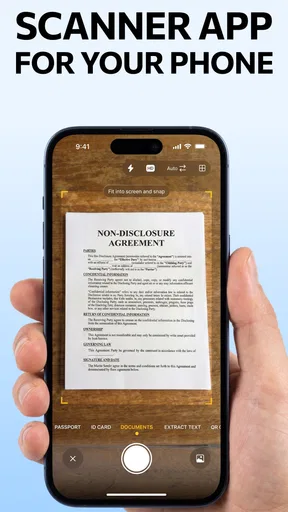
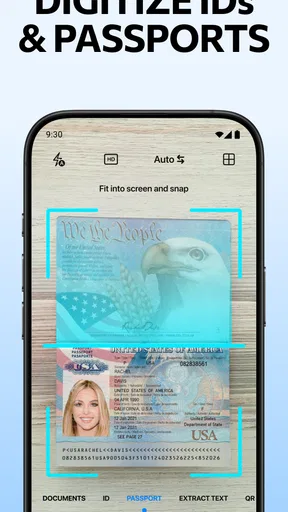
The real magic happens when you start scanning. Simply point your camera at the document, and the app does the rest. It automatically detects the edges of the document and adjusts the perspective, so you end up with a crisp, professional-looking scan. You can adjust the quality settings if you need, but honestly, the default settings are just fine for most purposes.
One of the standout features is the ability to scan multiple pages into a single PDF document. Whether you’re scanning a multi-page contract or a few pages from a book, the app makes it easy to compile everything into one tidy file. Just keep adding pages, and when you’re done, save them all together.
Quality and Features
Now, let’s talk about image quality. This app doesn’t skimp on clarity. The scans are sharp, and you have the option to enhance them with filters like black and white, grayscale, or color. This is particularly handy if you’re dealing with a document that’s a bit faded or hard to read.
Worth Reading Before You Choose

EA SPORTS FC Mobile 26 Is a Bigger Football Game, but It Takes Time

Flipboard Shows What News Apps Must Do Beyond the Feed

Switching to Android Auto Means Rethinking Your Driving Routine

Google Calendar Makes a Crowded Week Easier to Manage

Ludo King Makes the Most of the Minutes Between Plans

Baby Panda World Brings Quick Play to Modern Phones, but Its Game Library Feels Busy
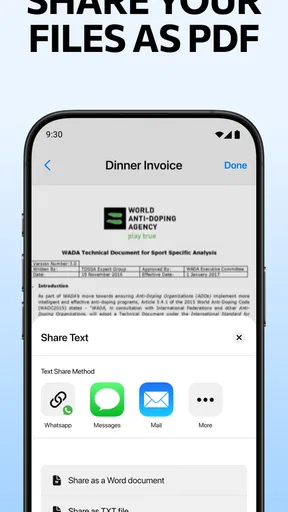
Organizing your scans is a dream. You can create folders, rename files, and even share your scans via email or cloud services like Google Drive or Dropbox directly from the app. It’s these little touches that make managing your documents less of a chore.
Security and Privacy
In today’s world, security is key, and the app doesn’t disappoint. You can set up a passcode to protect your documents, ensuring that only you have access. Plus, the app doesn’t store your scans on a server; they remain on your device unless you choose to upload them elsewhere. This is a big win for privacy-conscious users.
Room for Improvement?
Of course, no app is perfect, and Scanner App - Scan PDF & Docs is no exception. While the basic version is quite robust, some features are locked behind a paywall. If you find yourself needing features like OCR (Optical Character Recognition) to convert scans into editable text, you’ll need to upgrade to the premium version. It’s not a deal-breaker, but something to keep in mind depending on your needs.
Another aspect worth mentioning is that while the app is generally fast, the processing time can be a bit slow for large documents. If you’re scanning a hefty book, be prepared to wait a little longer for everything to process and save.
Where it fits into a paper-heavy day
The best way I’ve found to judge a scanner app is to imagine the moment I would actually open it. For example, if I receive a signed form at the end of an appointment, I can capture each page, check the order, combine the images into one PDF, and send the file before leaving. That is a more useful test than scanning a perfect sheet on a desk: real papers may be slightly curled, the lighting may be uneven, and the deadline may be close.
For a smoother result, I place the page on a contrasting, flat surface and keep the phone parallel to it before capturing. Automatic edge detection can correct perspective, but it cannot make a shadow disappear in every situation or recover tiny print that is out of focus. I also review the page boundaries before saving. That quick check matters when a form has a signature or a line close to the edge; a neat-looking PDF is not helpful if it has clipped something important.
Small workflow choices that prevent headaches
When I scan a multi-page packet, I treat the first page as a test rather than immediately capturing the whole stack. I check whether the text is readable at normal screen size, whether the color mode keeps stamps or notes visible, and whether the crop includes the full page. If the first scan looks right, I continue with the rest. This avoids repeating a long capture session because the initial lighting or framing was poor.
For ordinary printed text, black and white can make a file easier to read and simpler in appearance. For receipts, annotated pages, or documents with colored markings, color is often the safer choice. Grayscale can be a useful middle ground, but I would not assume one filter suits every page in a mixed document. If different pages have different needs, I inspect the finished PDF rather than trusting a single setting blindly.
Folder names and file names are more than housekeeping once several scans accumulate. I use a recognizable subject and date in the name, then put related pages together, so I can find the right copy later without opening a string of vague files. Before sharing, I also open the PDF and check the page count and order. That simple habit is especially helpful for applications and contracts, where a missing final page is easy to overlook while scanning.
How it compares with the alternatives
Compared with taking ordinary camera photos, a scanner app is more convenient when the end goal is a clean, multi-page PDF: edge detection, perspective correction, filters, and combining pages are designed around paperwork rather than general photography. The trade-off is that this extra workflow is unnecessary for a quick picture of a single note. If I only need to remember a detail, the camera is faster; if I need a document I can send or file, this app is better suited to the job.
It also sits between a basic phone camera and a dedicated office scanner. A physical scanner can be the better choice for frequent batches, consistent results, or a business process that depends on predictable output. This app is more appealing when portability matters and the workload is occasional. I would not choose it as the sole tool for a large archive or a document-heavy office without first testing the output and the time it takes on a representative batch.
What to consider before relying on it
A scan is an image-based record unless text recognition is available for the task. The original article notes that OCR is among the features requiring an upgrade, so anyone who needs searchable text or wants to copy words into another document should check the paid options before building a workflow around the app. Capturing a page as a PDF and converting its words into editable text are different jobs; the former may be enough for filing, while the latter can be essential for research or data entry.
Likewise, sharing to a cloud service is convenient, but I decide where sensitive paperwork should go before pressing send. The app’s passcode option and on-device storage described above are useful safeguards, yet they do not replace careful choices about exported copies, shared accounts, or the recipient. For personal records, I make sure the file name does not reveal more than necessary and verify the destination before sending it.
Large documents are another practical boundary. Since processing can take longer as the job grows, I would split a very thick book or archive into sensible sections instead of expecting one uninterrupted scan to be effortless. That also makes it easier to catch a missed page and name each PDF clearly. For a few forms, a short packet, or a receipt that needs filing, the extra wait is unlikely to matter; for hundreds of pages, a dedicated scanner or a more specialized document workflow is likely a better fit.
Who is most likely to get value
I’d recommend trying it if you’re a student capturing handouts, a freelancer sending signed paperwork, or someone who occasionally needs a tidy digital copy of household documents. Its useful combination is not just camera capture: it is the path from page to organized PDF, with folders, renaming, and sharing in the same general workflow. The free entry point is attractive when scanning is an occasional need, while the paid options matter more to people who specifically require extras such as OCR.
I would be more cautious if you routinely digitize long records, need searchable text every time, or require highly consistent scans for formal business processing. A phone’s camera, lighting, and handling all influence the result, and a scanner app cannot remove those physical limits. In those cases, test one representative document first, including the export and sharing steps, before committing to it as your main tool.
My verdict on the value
For me, this is a practical convenience app rather than a reason to replace every scanner. The free access gives a low-friction way to see whether its capture-and-PDF routine suits your habits, and the available purchases mean there is a paid path if a particular extra is worth it to you. I would not pay simply because the app offers premium features; I would pay only after confirming that the feature I need is included and that it improves a task I do often.
All in all, Scanner App - Scan PDF & Docs is a fantastic tool for anyone needing to scan documents on the fly. It’s user-friendly, produces high-quality scans, and offers a suite of features that make managing and sharing documents a breeze. Sure, there are a few premium features that might tempt you to upgrade, but even without them, the app stands strong.
So, if you’re tired of searching for a scanner every time you need to digitize a document, give this app a whirl. It’s like having a scanner in your pocket, and who wouldn’t want that?
Pros
- Fast and accurate document scanning.
- Easy-to-use interface with clear instructions.
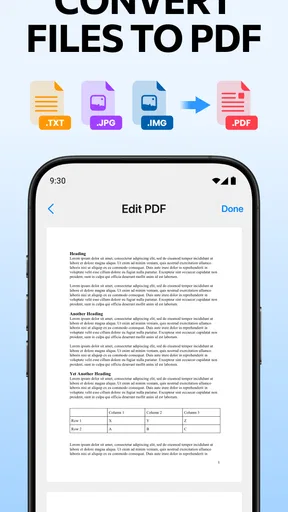
- Supports multiple file formats for export.
- OCR feature for text extraction is reliable.
- Integrates well with cloud storage services.
Cons
- Limited editing options for scanned documents.
- Advertisements can be intrusive at times.
- Some features require a premium upgrade.
- Occasional issues with image alignment.
- Lacks batch scanning feature for efficiency.
FAQs for Scanner App - Scan PDF & Docs
How does the Scanner App - Scan PDF & Docs work?
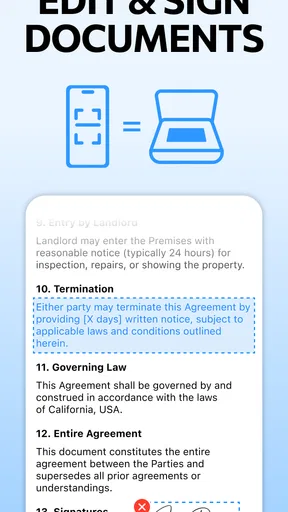
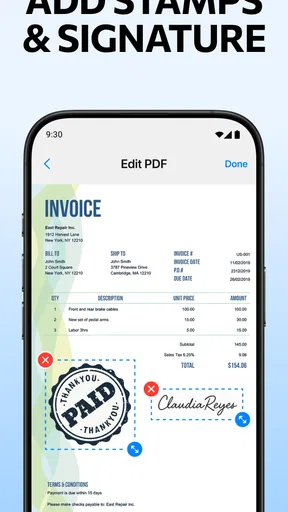
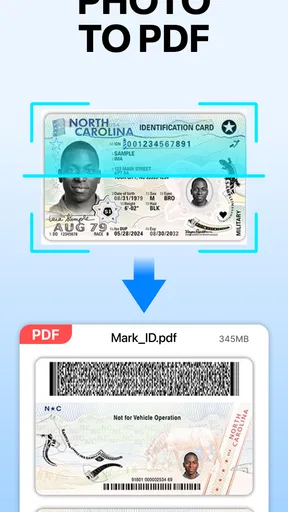
The Scanner App - Scan PDF & Docs uses your device's camera to capture images of documents, which it then processes into high-quality PDF files. The app uses advanced image processing technology to enhance clarity and ensure that text is easy to read. You can also edit, crop, and rotate images before saving them as PDFs.
Is the Scanner App compatible with both Android and iOS devices?
Yes, the Scanner App - Scan PDF & Docs is designed to work seamlessly on both Android and iOS platforms. It is optimized for a wide range of devices, ensuring smooth performance regardless of your operating system. The app is available for download from both the Google Play Store and the Apple App Store.
Does the Scanner App support multiple page scanning and document organization?
Absolutely. The app allows users to scan multiple pages in a single session and compile them into one PDF document. Additionally, you can organize scanned documents into folders within the app, making it easy to manage and retrieve files as needed. This feature is particularly useful for keeping records organized.
Are there any security features to protect my scanned documents?
Yes, the Scanner App - Scan PDF & Docs includes several security features to protect your documents. You can set up password protection for sensitive files and use cloud services with encryption options to store documents securely. This ensures that your confidential information remains safe from unauthorized access.
Does the Scanner App offer any cloud integration or sharing options?
The app provides extensive cloud integration options, allowing you to save and sync documents with popular cloud services like Google Drive, Dropbox, and OneDrive. You can also easily share scanned documents via email, messaging apps, or directly through a shareable link, making collaboration straightforward and efficient.


